

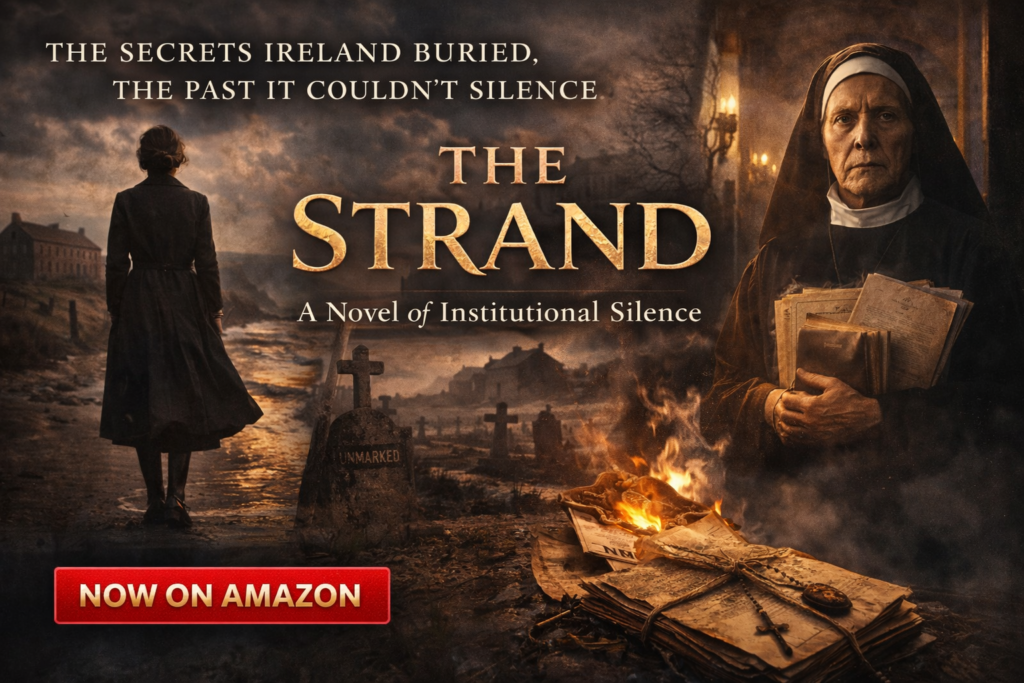
The Strand: A Novel Of Institutional Silence – Author Madi Preda
Some lives are erased quietly.
Some silences are enforced by record.
This is a story about refusing both.
On the Irish coast, a young woman named Máire is allowed to hold her newborn daughter for only ten minutes before the child is taken from her care and absorbed into an institutional system designed to disappear women like her. The baby is renamed administratively, recorded as Infant Female, and removed into sealed files, euphemism, and silence.
What follows is not a single act of cruelty, but a lifetime shaped by absence.
Decades later, Máire has rebuilt a life and raised a second daughter, Nóra, yet the first child’s disappearance remains present—unspoken but undeniable. As a public inquiry exposes fragments of the institutions that governed Máire’s past, Nóra begins to take up the archive her mother has assembled over the years. Together, they confront redacted records, deflected responsibility, and the bureaucratic architecture of erasure.
The Strand: A Novel of Institutional Silence is a literary psychological suspense novel about motherhood, inheritance, and the slow violence of administration. It traces how harm is normalised through paperwork and delay—and how truth survives not through spectacle or confession, but through accuracy, persistence, and refusal.
Set against the stark beauty of the Irish coastline, this novel resists easy closure in favour of moral clarity. It is a story of loss without sentimentality, endurance without consolation, and justice pursued not as reversal, but as recognition.
Exploring Ireland’s Hidden Histories: An Interview with Madi Preda
Q: What inspired you to write The Strand: A Novel of Institutional Silence?
A:
The starting point was the idea of silence—not just as absence, but as something structured and enforced. Ireland has begun to confront parts of its institutional past, particularly the Mother and Baby Homes, but I felt there was still a space where the emotional and psychological realities had not been fully explored. Fiction allowed me to enter that space and ask what it felt like to live within that silence—and to inherit it.
Q: The novel deals with a very sensitive part of Irish history. How did you approach that responsibility?
A:
With care and restraint. I wasn’t trying to recreate specific testimonies, but to engage with the emotional truth of what those institutions represented. The aim was not to document, but to acknowledge—to create a narrative that reflects the weight of what was experienced, without claiming to speak for it directly.
Q: The setting—the strand itself—feels symbolic. What does it represent?
A:
The strand became a kind of threshold space in the novel. It’s where memory and absence meet. The sea, the landscape, the shifting light—they all reflect instability, uncertainty, and the persistence of what cannot be fully contained. It’s a place where the past feels very close to the present.
Q: Your work seems to be part of a larger literary project. Can you tell us about your upcoming books?
A:
Yes, The Strand is the beginning of a broader body of work exploring Irish history through themes of memory, institutional experience, and identity.
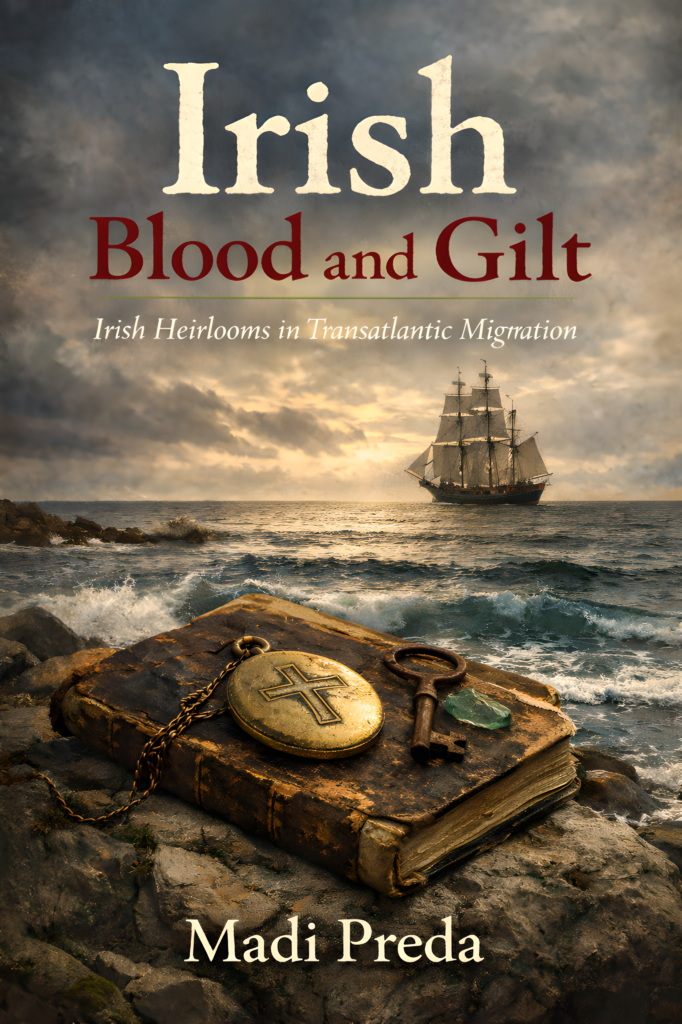
My next book, Irish Blood and Guilt: Irish Heirlooms in Transatlantic Migration, coming in May, looks at inheritance—how history travels across generations and across continents, particularly within the Irish diaspora.
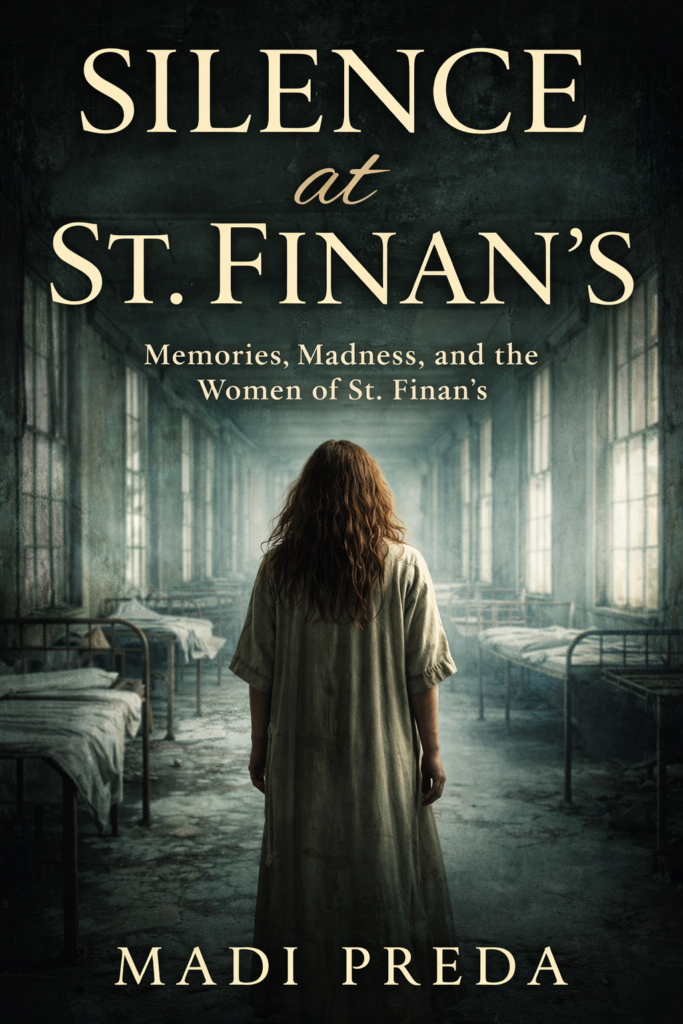
Following that, Silence at St.Finan’s: Memory, Madness, and the Women of St. Finan’s, due next year, explores psychiatric institutions and the silencing of women in another form of confinement.
Together, these works are connected by a shared concern with what has been hidden, suppressed, or left unresolved.
Q: What do you hope readers take away from The Strand?
A:
A sense that history is not closed. That what was silenced continues to shape lives in ways we’re still understanding. And that storytelling—whether historical or fictional—can be part of how we begin to approach those complexities.